Air
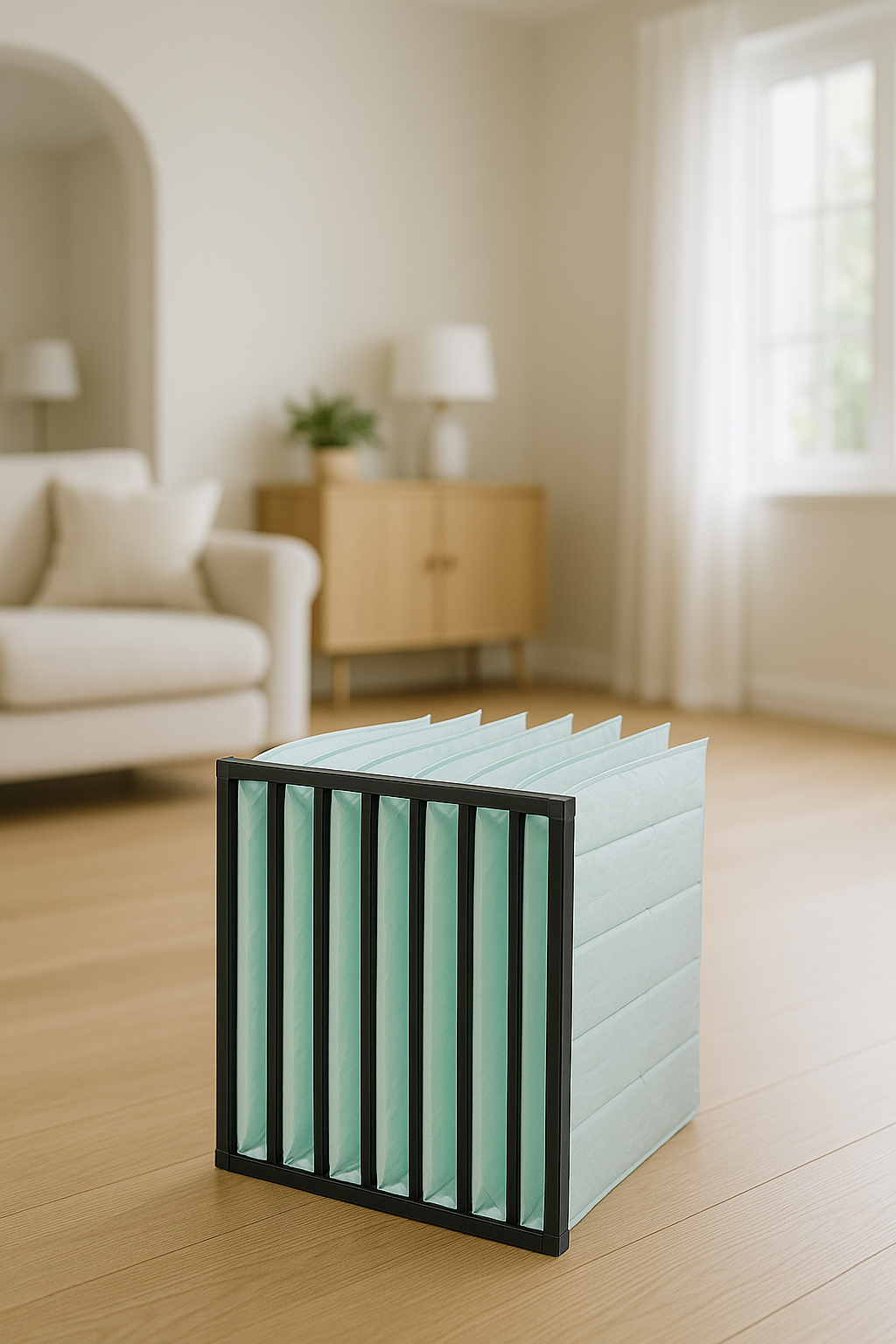
Extensive testing and verifications confirm the NanoFlashing™ Air Filter outperforms conventional media across all three areas of wildfire smoke, ultrafine particles, and biofouling from viruses, bacteria, pollen and fungi — while resisting biofouling and improving pressure drop.
Water
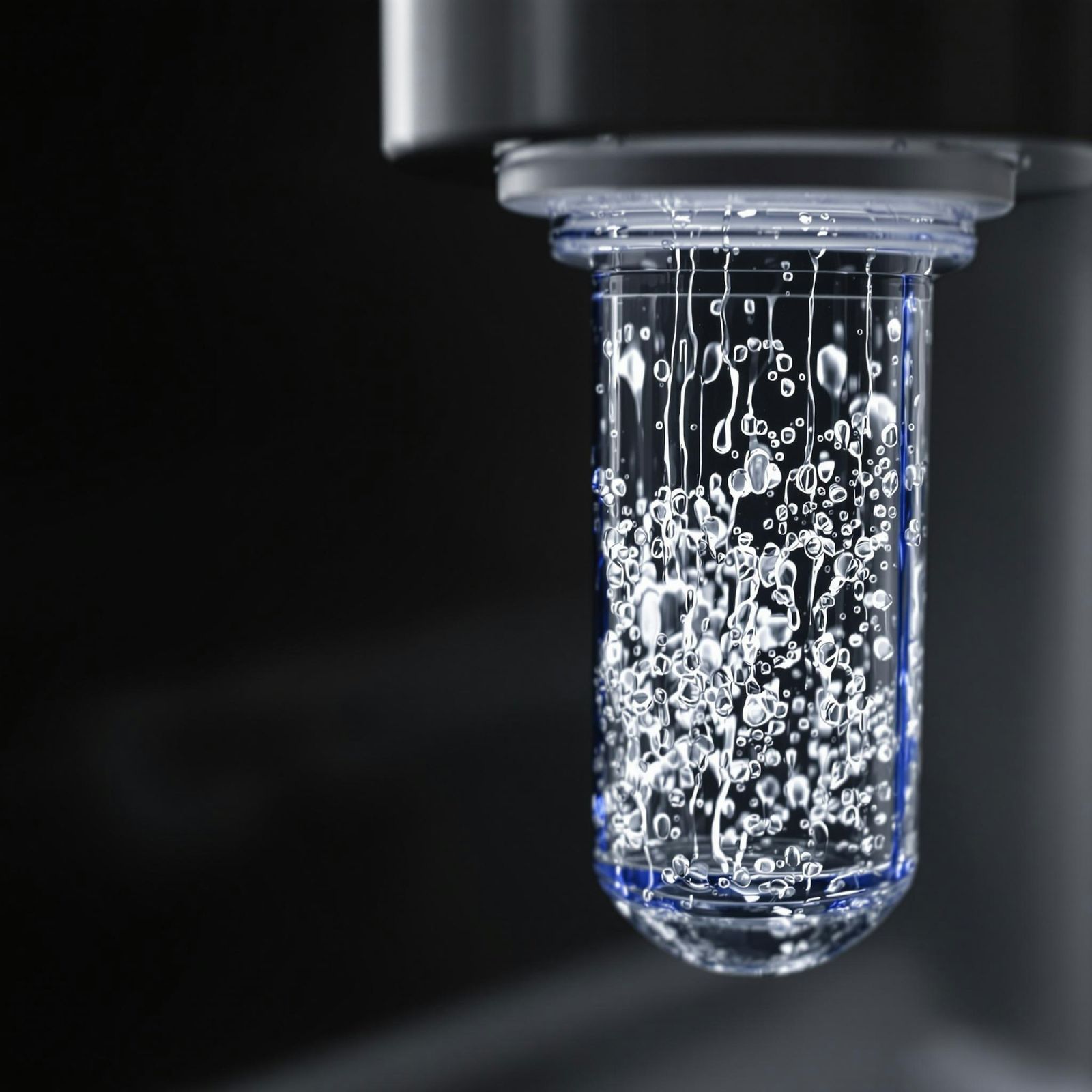
Conventional water filters foul with biofilm and lean on chlorine to compensate. NanoFlashing™ charge destroys viruses, bacteria, and fungi on the media itself, so biofilm can't form — and its positive charge also pulls in negatively charged contaminants like PFAS that ordinary filtration misses.
Textiles
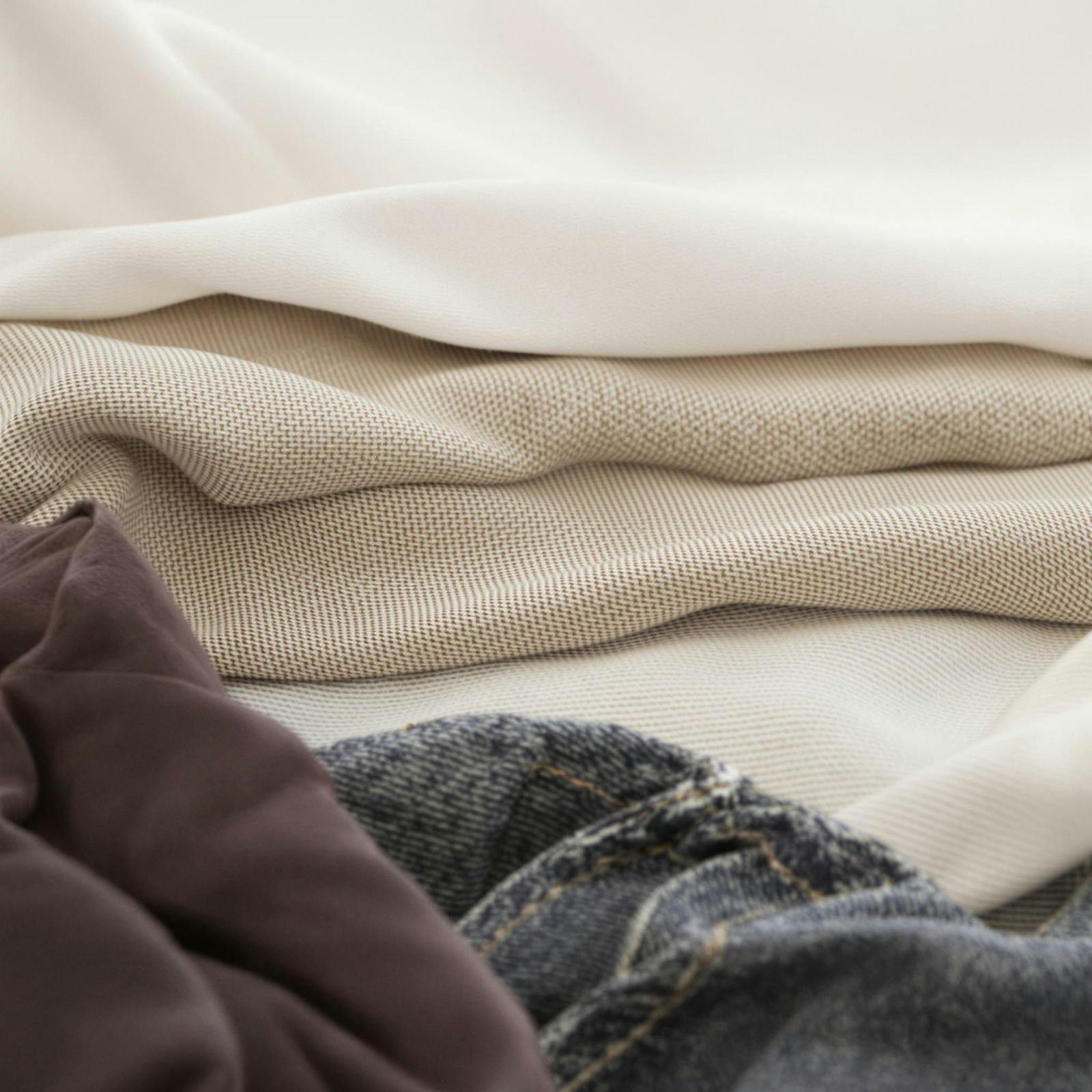
Fungi is textile's hardest problem. Mold weakens natural fibers; dermatophyte spores — athlete's foot, ringworm — shed onto socks, towels, and sheets, and an ordinary warm wash doesn't kill them, so the fabric keeps reinfecting the wearer. Chemical antifungal finishes wash out, and they are toxic. NanoFlashing™ charge is built into the fiber and destroys viruses, bacteria, and fungi wash after wash.
Food Packaging
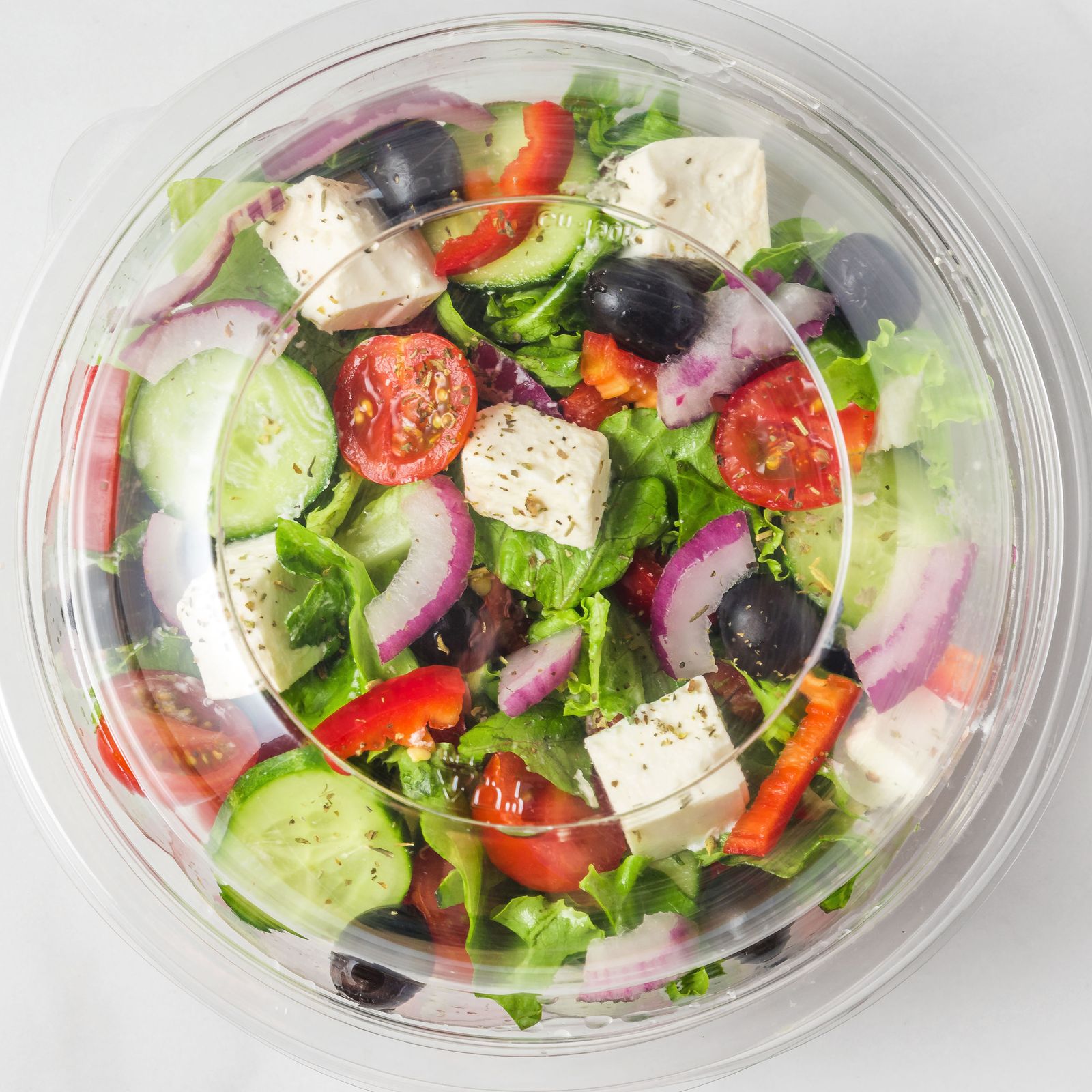
Spoilage and foodborne pathogens — mold on bread and produce, Listeria that grows even under refrigeration — start on the packaging surface. Conventional active packaging often works by migrating an antimicrobial into the food itself. NanoFlashing™ charge is bonded to the surface and destroys viruses, bacteria, and fungi there, with nothing migrating into the food.
Medical Devices
Device surfaces — catheters, implants, tubes — foul with microbial biofilm, and once a biofilm forms it resists cleaning and antimicrobial treatment. Silver and antibiotic coatings fight it by releasing a chemical, but the chemical gets used up, and antibiotic coatings can drive resistance. NanoFlashing™ charge is built into the device surface and doesn't deplete — it captures and destroys viruses, bacteria, and fungi in contact with the surface, by physical action, with nothing to grow resistant to.